The Maritime Labour Convention, 2006 (MLC, 2006) was adopted by the International Labour Organization (ILO) on 23 February 2006 and entered into force on 20 August 2013. It consolidated 37 older maritime labour conventions into a single, up-to-date instrument, which is why it is often called the seafarers' bill of rights.
Who and which ships are covered?
- Seafarer: anyone employed, engaged or working in any capacity on board a ship to which the Convention applies — from master to steward, cadet to hotel staff.
- Ship: all ships, publicly or privately owned, ordinarily engaged in commercial activities.
- Not covered: fishing vessels, ships of traditional build (such as dhows and junks), warships and naval auxiliaries, and craft operating only in inland or sheltered waters.
Your four core rights (Article IV)
- A safe and secure workplace that complies with safety standards.
- Fair terms of employment.
- Decent working and living conditions on board.
- Health protection, medical care, welfare and other forms of social protection.
On top of these, freedom of association, the elimination of forced and child labour, and non-discrimination are fundamental principles (Article III).
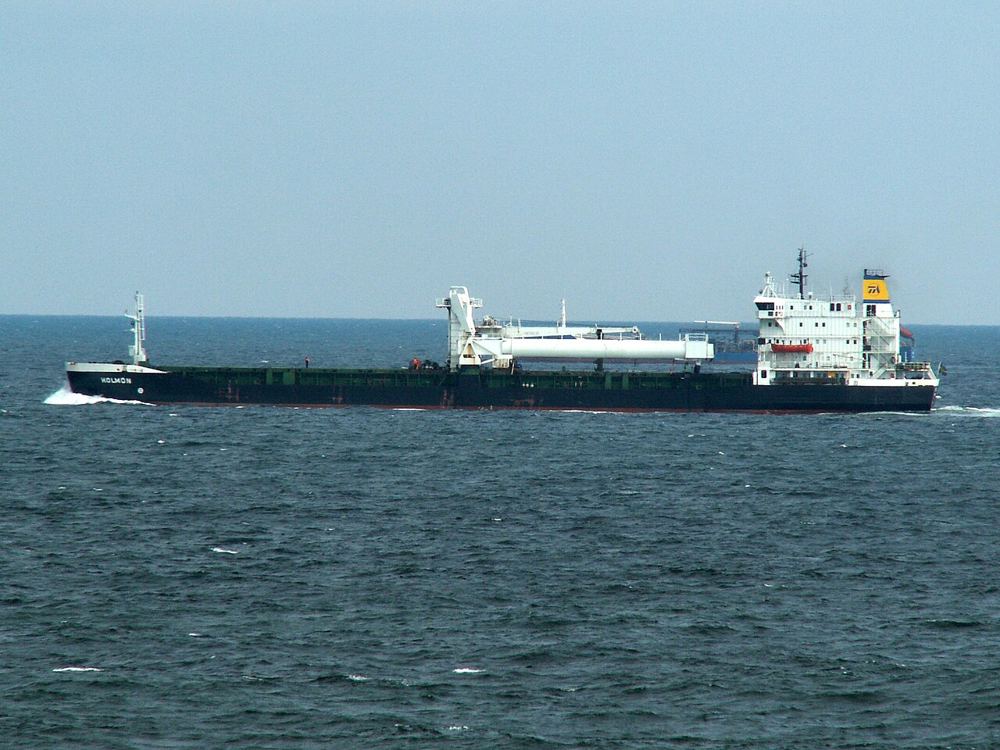
 Image: Globetrotter19 / Wikimedia Commons, CC BY-SA 3.0
How to read the text
The Convention has three layers: Articles, Regulations and the Code. The Code has two parts: Part A (Standards) is mandatory, Part B (Guidelines) is not mandatory but guides implementation. Everything is grouped under five Titles:
- Title 1: Minimum requirements to work on a ship (age, medical, training, recruitment)
- Title 2: Conditions of employment (agreements, wages, hours, leave, repatriation)
- Title 3: Accommodation, recreational facilities, food and catering
- Title 4: Health protection, medical care, welfare and social security
- Title 5: Compliance and enforcement
Where you see it on board
Ships of 500 GT or over on international voyages must carry a Maritime Labour Certificate and a Declaration of Maritime Labour Compliance (DMLC). The certificate is valid for up to five years, needs an intermediate inspection between the second and third anniversary dates, and a copy must be posted in a conspicuous place on board. Every ship must also carry a copy of the Convention.
Practical tip: In your first week on board, find where the certificate and DMLC are posted. DMLC Part I shows which national laws implement each requirement — that is where your rights become concrete.
Source: ILO, Maritime Labour Convention, 2006 — Articles I–VI, Title 5. This article is based on the MLC 2006 text published by the ILO and is for general information. Your flag State's law or your collective agreement may give you more favourable terms; in a specific dispute, talk to your union or a lawyer.
Full series: MLC 2006 Guide: Seafarers' Rights