When the ship has to be abandoned, lives depend on these four pieces of equipment. Here is a short introduction to each: what it is, what it does and what to watch for.
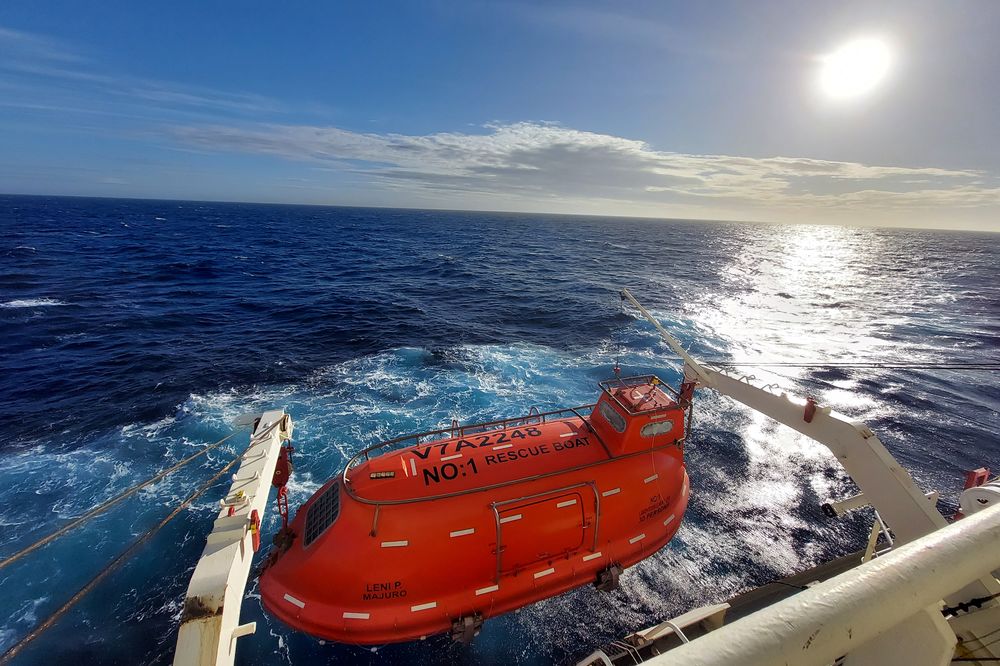 Image: Delsonroche / Wikimedia Commons, CC BY-SA 4.0
Enclosed Lifeboat
A fully enclosed, self-righting motor lifeboat lowered by davits. It carries fuel, water, rations and signalling gear. Its capacity and which crew members go to which boat are shown on the muster list.
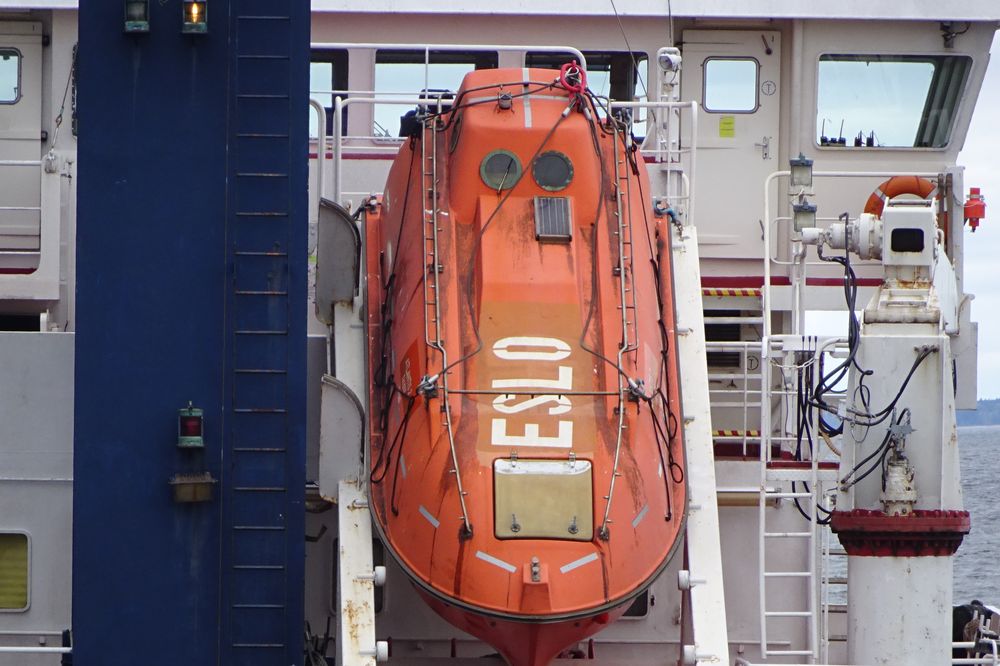 Image: Pjotr Mahhonin / Wikimedia Commons, CC BY-SA 4.0
Free-fall Lifeboat
Mounted on an inclined ramp at the stern. Once the crew are seated and strapped in, a single release lets the boat drop into the sea. Common on tankers and bulk carriers. Correct seating posture protects the back and neck.
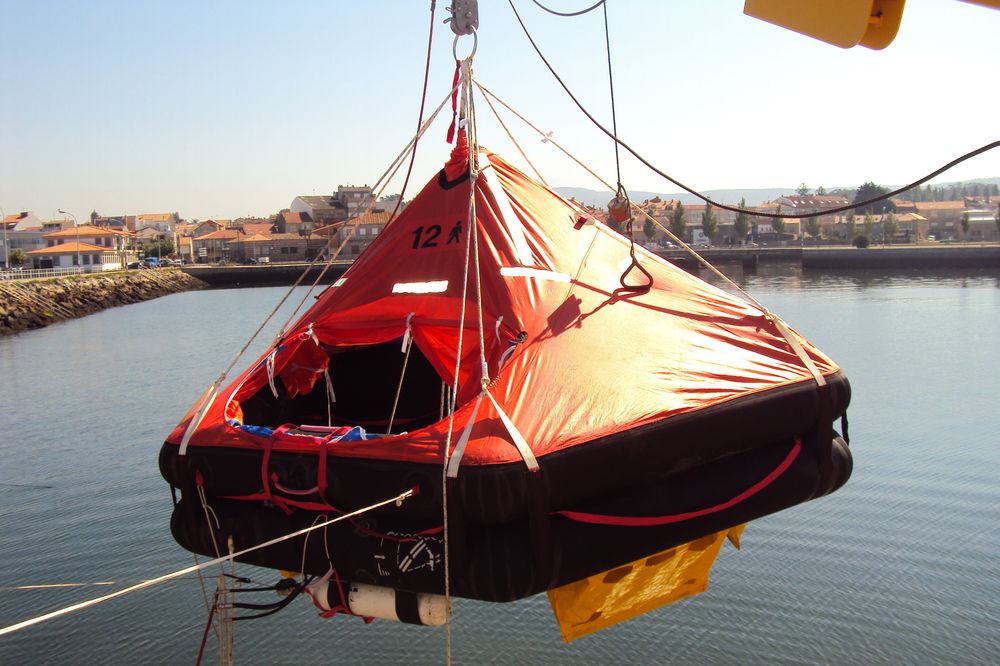 Image: NPL FP2011 / Wikimedia Commons, CC BY-SA 3.0
Inflatable Liferaft
Packed in a white canister; thrown overboard and inflated by a CO₂ cylinder when the painter is pulled. It has a canopy, ballast pockets and an emergency pack. It must be serviced annually at an approved station.
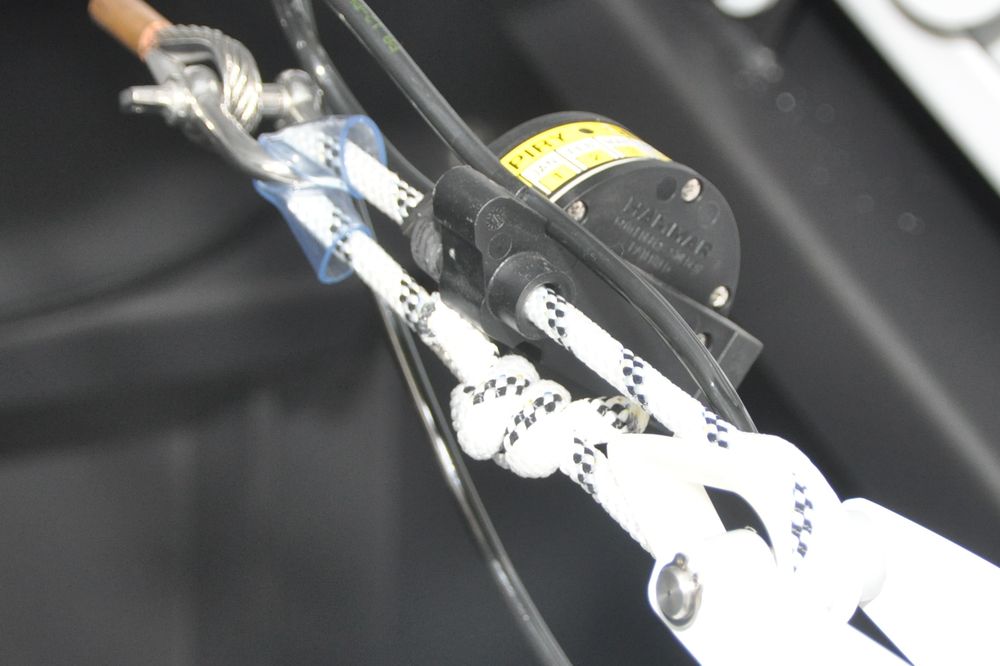 Image: S.J. de Waard / Wikimedia Commons, CC BY-SA 3.0
Hydrostatic Release Unit (HRU)
Fitted to the liferaft cradle. If the ship sinks, water pressure at roughly 1.5–4 m opens it and frees the raft, which floats up and inflates. Check its expiry date regularly.
At your next drill, walk to your own boat station and check the HRU date on the raft. Those five minutes may be the most valuable you ever spend.
This post is part of the Emergency Equipment Onboard series. Full series: /blog/seri/emergency-equipment-onboard
Related reading: Emergency Drills That Actually Work