Rotterdam has held the title of Europe's largest port for decades — sitting where the Rhine meets the North Sea, it's a natural gateway into the continent's interior. The port area is so vast (roughly 40 km from the city center to the North Sea) that it's really more accurate to think of it as a whole port region made up of dozens of connected terminals than a single port.
Port culture
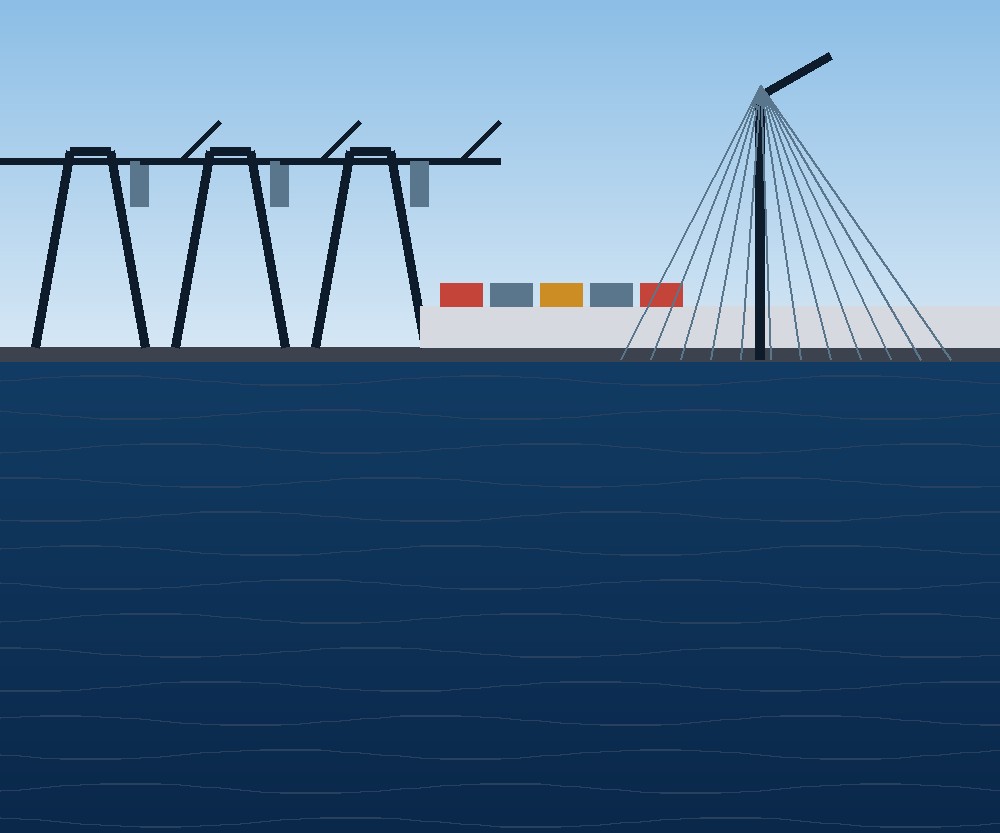
Rotterdam is a heavily automated port — unmanned vehicles and automated cranes are common, especially at the container terminals in the Maasvlakte area. That shortens a ship's port stay, but it can also mean less hands-on contact with the port for the crew; the terminal is physically quite far from the city.
Shore leave in practice
If the ship berths at a terminal closer to the city (Waalhaven, for example), reaching central Rotterdam by public transport is fairly easy. But at terminals out at the seaward end, like Maasvlakte, the city center is far away — shore leave may not be practical on a short port call. Asking the ship's agent in advance about shore leave arrangements (a crew shuttle, if one exists) saves time.
What to keep in mind
- The Netherlands is in the Schengen area — visa/passport checks can work differently than in non-EU countries, so get clear information from your ship's agent.
- Terminal security procedures are strict (ISPS); you can't step outside the terminal without an ID/port pass.
- The weather is usually cool and windy, even in summer, so a light jacket is worth having.
This article is general information; port procedures and shore leave options vary by ship, terminal, and company policy.