Your berth is confirmed. How you prepare before joining decides how your first week goes.
Documents
- Passport (enough validity and blank pages)
- Seaman's book
- Medical certificate (valid for seafarers, up to date)
- STCW basic safety training and any other certificates
- Training Record Book and letters from your academy
- Visas and vaccination card required by the company
- Your signed agreement
Keep photocopies and scans on your phone; carry the originals in one waterproof folder.
Health
- Have a dental check; toothache at sea is a serious problem.
- If you take regular medication, bring enough for the contract, with the prescription.
- If you wear glasses, bring a spare pair.
 Image: Whisper of the heart / Wikimedia Commons, CC BY-SA 4.0
Packing
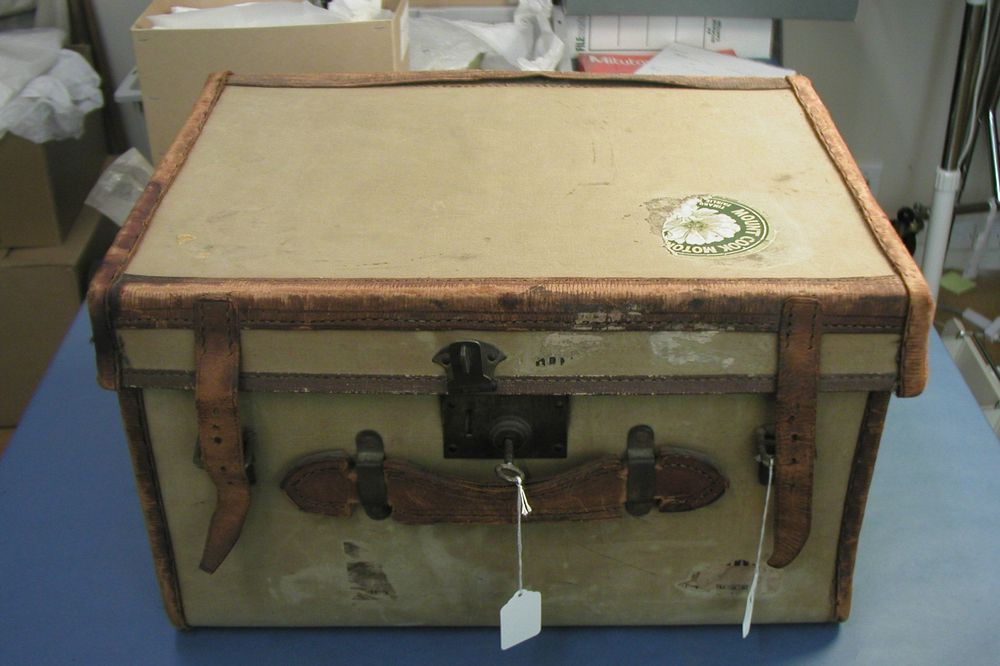
Too much luggage is a burden; cabins are small.
- Most companies provide workwear and PPE; ask in advance what they don't provide (safety shoes, boiler suit).
- A few everyday clothes for hot and cold climates
- Slippers, trainers, towel
- Toiletries (enough for the first weeks)
- Plug adapter, charger, headphones, USB drive
- Notebook, pens, a small torch
- Your study notes: COLREG, navigation or engineering basics (digital is fine)
Money and contact
- Carry some cash (dollars or euros) for the journey.
- Leave the company's and agent's contact details with your family.
- Tell your family in advance that internet on board may be limited.
The journey
- Get your ticket, joining port and agent details in writing.
- Find out who will meet you at the airport.
- If there is a delay, tell the company at once.
Mental preparation
The first ship is tiring for everyone: a new routine, little sleep, unfamiliar work. Know that this is normal and settles within a few weeks.
Practical tip: as soon as you know the ship's name, look up her type, dimensions and flag; you'll be ready for "what do you know about this ship?" on day one.
Full series: Cadet Guide