The first week sets your place on board. Nobody expects you to know everything; they do expect you to be attentive, willing and reliable.
Day one
- Introduce yourself to the master and to the officer you report to (usually the chief officer or second engineer) and hand over your documents.
- Safety familiarization: your muster station, where your lifejacket and immersion suit are, escape routes, alarm signals. Learning these on day one is mandatory.
- Read your duties on the muster list.
- Settle into your cabin and learn the ship's daily routine.
Learn in the first seven days
- The general layout: decks, holds or tanks, engine room, bridge.
- The locations of fire extinguishers, fire stations and emergency stops.
- Who is responsible for what (see the Shipboard Hierarchy series).
- How hours of work and rest are recorded.
- Meal times, laundry, garbage segregation rules.
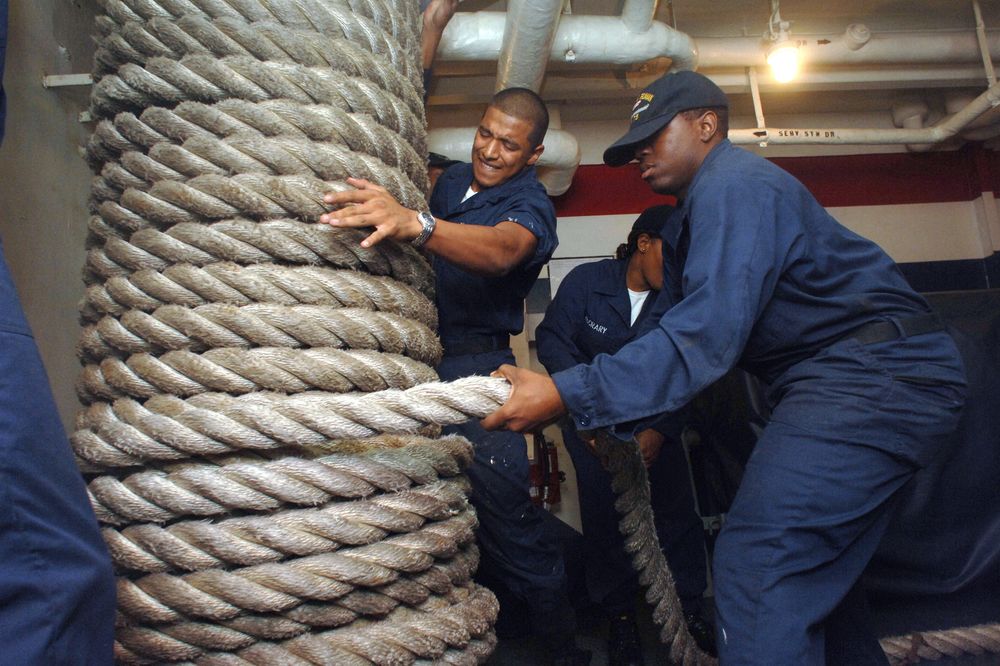
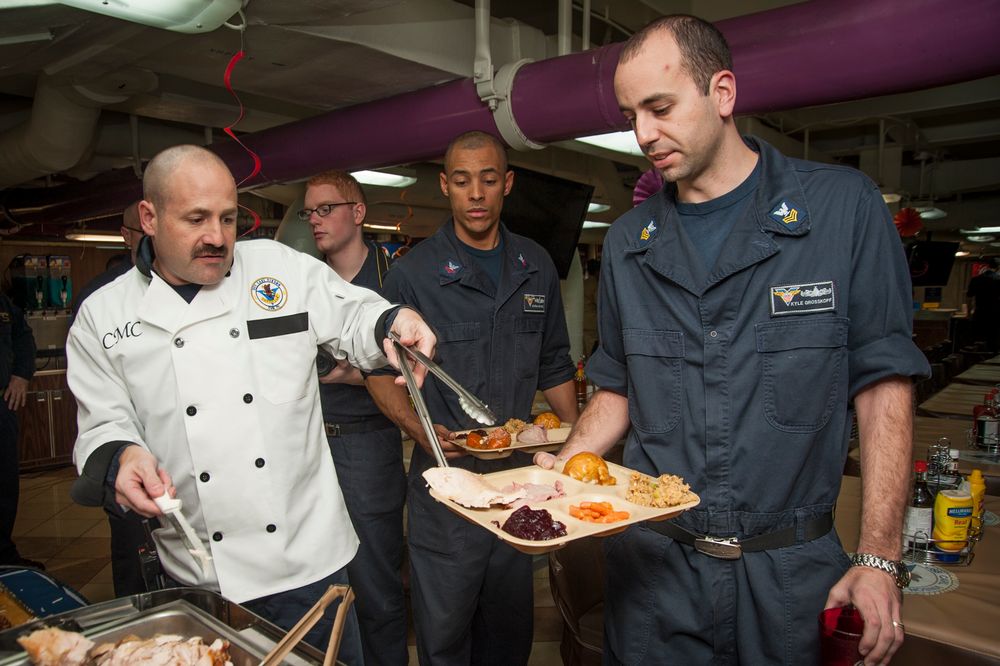 Image: U.S. Navy / Wikimedia Commons, Public domain
How to behave
- Be on time. Arriving 10–15 minutes early for watch is the rule at sea.
- Ask, but at the right moment. Not in the middle of manoeuvring; after the job.
- Take notes. Carry a small notebook so you don't ask the same thing twice.
- Never skip safety. Ask before doing work you don't understand or find unsafe; don't work without PPE.
- Respect everyone. You will learn a lot from the ratings; skill is not measured by rank.
- No phone while working.
Watch and day work
Cadets usually do both day work and watches. On the bridge: lookout, steering, position checks; on deck: maintenance; in the engine room: rounds and maintenance jobs. It is all part of learning.
If you struggle
Seasickness, lack of sleep and homesickness are common in the first weeks. Drink enough water, don't skip meals and don't hesitate to tell your officer.
Practical tip: at the end of the first week, draw the ship's safety plan by hand: muster stations, lifeboats, fire stations. You learn it, and the officers notice.
Full series: Cadet Guide