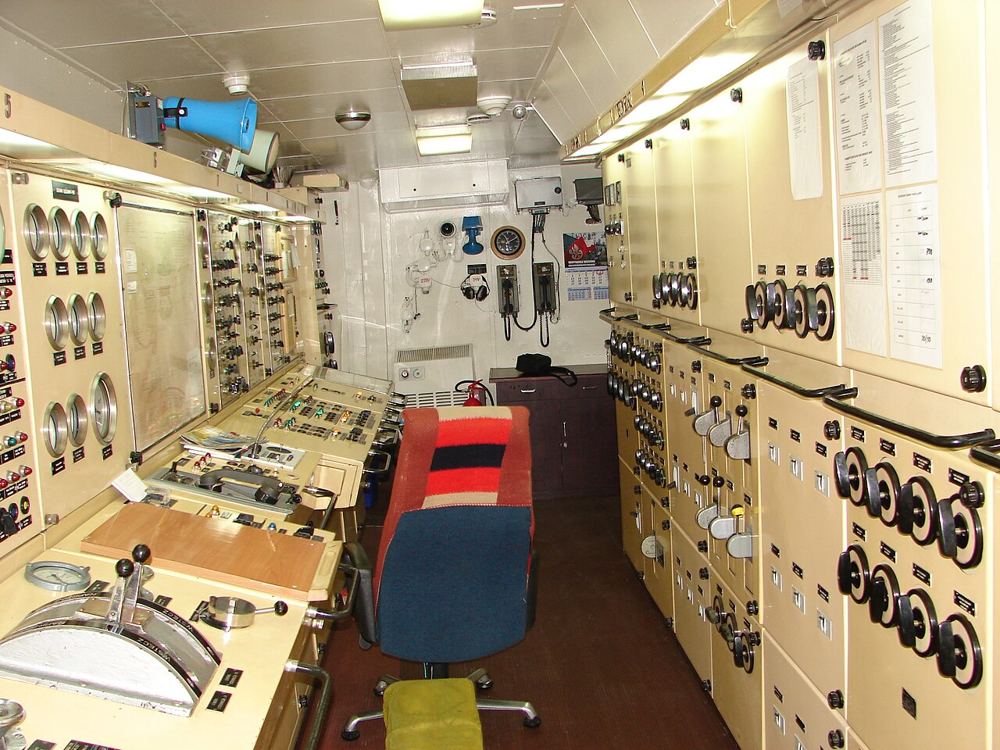
The engine department runs the main engine, electricity generation and auxiliary systems. The ship moves while the engine room works, so the team's cooperation is critical.
Chief Engineer
- Head of the engine department, responsible to the Master.
- Responsible for the safe and efficient operation of the engine room, maintenance and fuel management.
- Makes decisions on major repairs and breakdowns.
Second Engineer
- Manages the day-to-day running of the department; prepares the maintenance schedule and the distribution of work.
- Assistant to the Chief Engineer.
- Usually works day work or a similar routine, depending on the ship.
Third and Fourth Engineer
- Keep the engine-room watch.
- Responsible for daily monitoring of generators, boilers, pumps and auxiliary equipment.
- Take an active part in maintenance.
Electro-Technical Officer (ETO)
- Responsible for maintaining the electrical, electronic and automation systems.
- An important specialist role on modern ships.
Engine ratings
- Motorman / Oiler: Assists the engineer on watch; carries out rounds and takes readings.
- Wiper: Cleaning and simple maintenance; entry level.
- Fitter: The mechanical craftsman of the engine room (on some ships).
Safety in the engine room
There is heat, pressure, noise and fire risk. Permit-to-work systems, lockout procedures and communication are very important. See the engine watchkeeping article.
The manning structure depends on ship type and size.
To see what the ranks in this department actually do day to day, start with "What Does a Chief Engineer Actually Do, Day to Day?", or browse the full Duties by Rank series.