
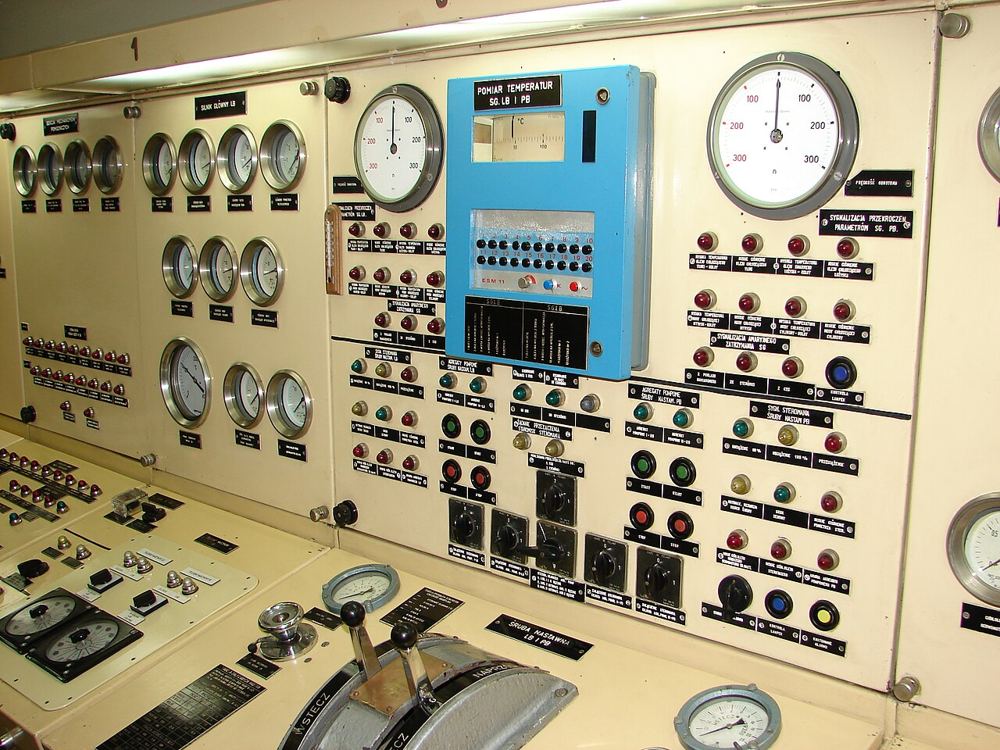
Modern engine rooms are heavily automated, yet an engineer's judgement still matters most. A reliable watchkeeper follows a few simple habits.
Take over the watch properly
- Read the log and standing orders.
- Discuss ongoing work, abnormal conditions and any permits in force.
- Walk around before accepting the watch, if operations allow.
Do regular rounds
- Look, listen, smell, feel. Unusual noise, vibration, heat or leaks are early warnings.
- Check critical parameters: temperatures, pressures, levels, and compare with trends.
- Check for leaks and fire hazards: oil on hot surfaces, loose lagging, blocked drains.
- Test alarms and standby equipment as procedures require.
Communicate
Inform the bridge before making changes that affect manoeuvrability. If something looks wrong, call the Chief Engineer early. Waiting rarely helps.
Safety first
Use permit-to-work systems, lockout procedures and PPE. Never work alone on hazardous tasks without informing others.
A quiet engine room is a sign of good engineering, but it must never make you complacent.