This final part covers two things: mistakes to avoid as a cadet, and the steps to take once your training ends.
Common mistakes
- Postponing the training record book. Signatures go missing and your exam application is delayed.
- Being afraid to ask. Work done without knowing causes far bigger problems than a question.
- Taking safety lightly. No helmet, no gloves, no permit; entering an enclosed space alone. Most cadet accidents start here.
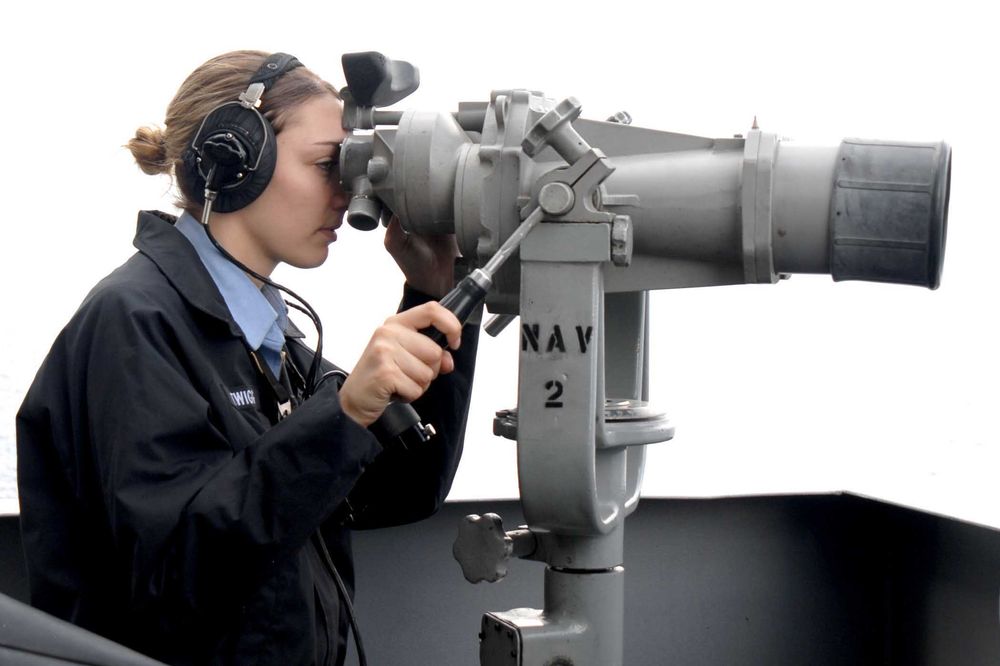
- Hiding in the cabin with a phone. Learning happens on deck, on the bridge and in the engine room.
- Caring only about your own department. A deck cadet should know the engine room, and an engine cadet the bridge.
- Neglecting rest. A tired cadet makes mistakes; sleep in your free time.
- Complaining. Hard jobs are given to everyone; your attitude is remembered.
- Leaving without references.
When you sign off
- Check every signature and stamp in the training record book.
- Collect your sea service record and seaman's book entries.
- Ask the master and training officer for a reference letter and their contact details.
- Tell the company you would like to return as an officer.
The road to the competency exam
- Check the required sea service and documents in your administration's current rules.
- Complete any missing STCW courses.
- Study with your notes from sea; what you saw in practice is not easily forgotten.
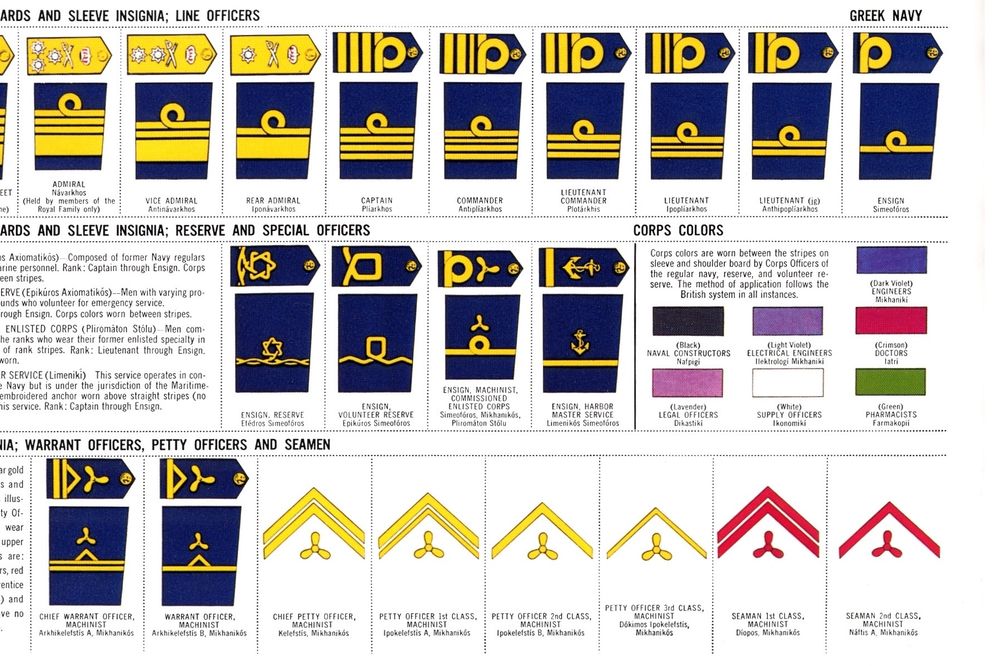 Image: Military Intelligence Division of the United States Departme / Wikimedia Commons, Public domain
Finding your first officer position
- Apply first to the company where you trained. A company that knows you gives a first job most easily.
- Update your CV: training ships, vessel types, periods, your new certificate.
- Filter maritime jobs by rank and follow seafarer jobs for entry positions such as Third Officer and Fourth Engineer.
- Prepare for the interview (see the Seafarer Interview Guide series).
- Be flexible about vessel type for your first job; your choice widens with experience.
On your first contract
The responsibility is now yours: the watch, safety equipment, paperwork. Keep asking about what you don't know; a good officer never stops learning.
Final word
Being a cadet is hard but short. Every officer teaching you today once asked the same questions on the same deck. When your turn comes, guide a cadet too; that is how solidarity at sea continues.
Practical tip: remember to update your rank on your Faroys profile from cadet to officer; companies search by rank.
Full series: Cadet Guide