For most international maritime jobs, part of the selection is now a computer-based test. The results are used to compare you with other candidates, independently of your CV.
The Marlins English test
A widely used English test designed for seafarers.
- Content: listening, grammar, vocabulary, reading, pronunciation, and numbers/time.
- Format: multiple choice on a computer; the result is a percentage.
- Some companies also require a spoken test (TOSE).
- The pass mark depends on the company and rank; officers are expected to score higher.
The CES test
CES (Crew Evaluation System) is a multiple-choice test of professional knowledge.
- Questions are selected by rank and vessel type: navigation, cargo, safety, engineering, STCW topics.
- The result shows an overall percentage and a breakdown by subject.
- The company may ask about your weaker subjects in the interview.
Companies may also use their own tests or psychometric assessments.
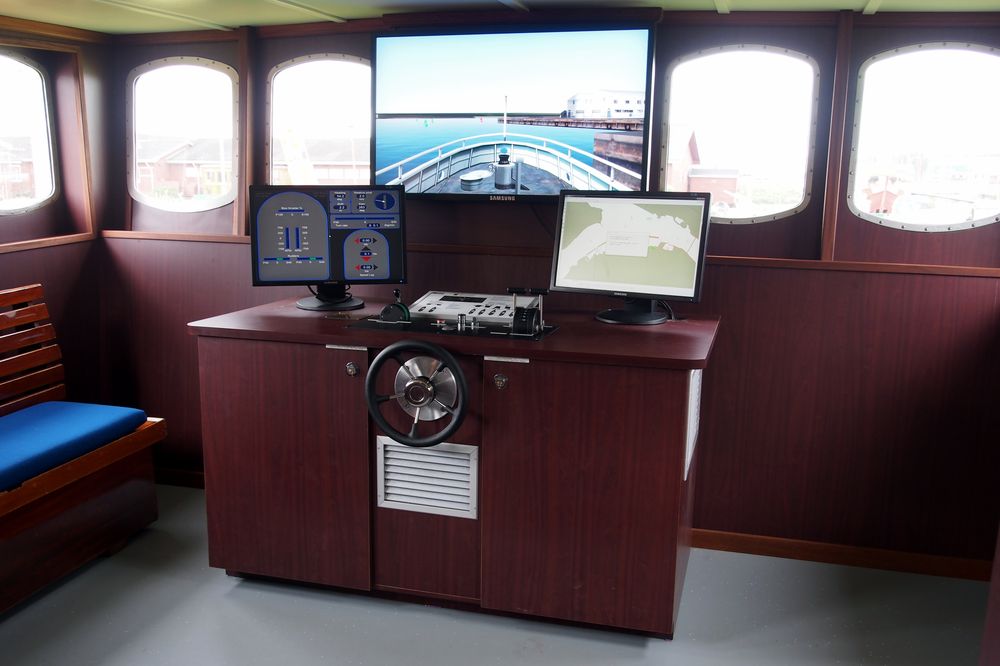
 Image: Dr. Marcus Gossler / Wikimedia Commons, CC BY-SA 3.0
How to prepare
- Study maritime English: SMCP standard phrases, parts of the ship, safety terms. The SMCP Guide series on this blog is a good start.
- Practise listening: VHF exchanges and maritime videos with different accents.
- Professional revision: the basics of COLREG, MARPOL and SOLAS; the STCW topics for your rank.
- Time management: don't get stuck on one question; flag it and come back.
On the day
- A quiet room, a stable connection and, if possible, a computer rather than a phone.
- Test your headphones beforehand.
- There may be identity checks or camera proctoring; getting help from someone else means disqualification.
If the result is low
Some companies allow a retake after a set period. Ask which section was weak and work on that.
Practical tip: if a seafarer job post mentions "Marlins" or "CES", try online sample tests before applying so there are no surprises.
Full series: Seafarer Interview Guide