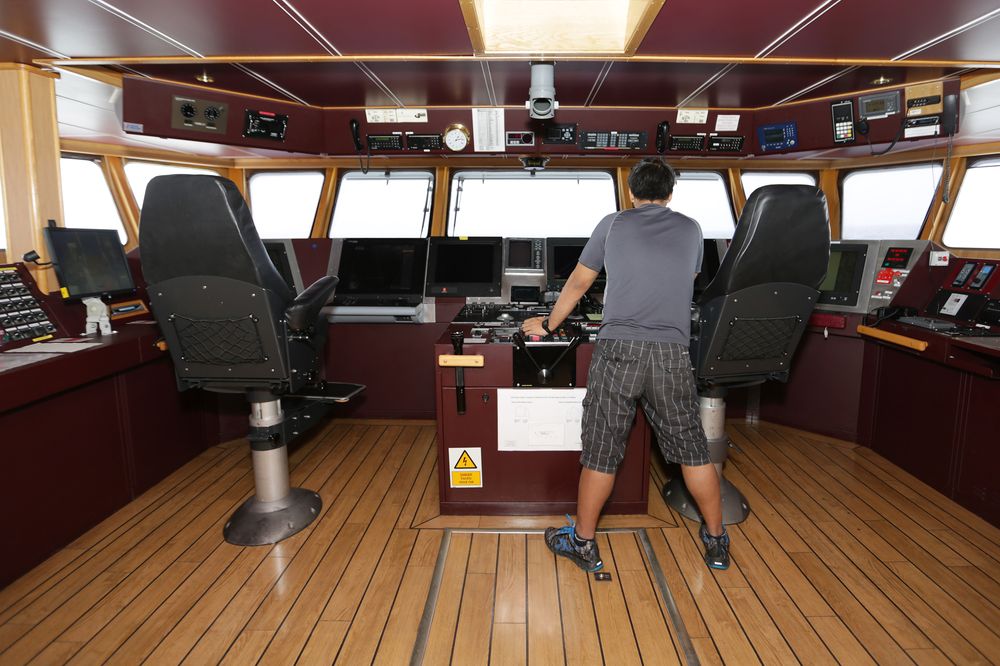
The technical part of the interview depends on the rank in the seafarer job post. The areas below are the ones companies probe most. The goal is not memorizing; it is being able to explain why something is done that way.
Deck officers
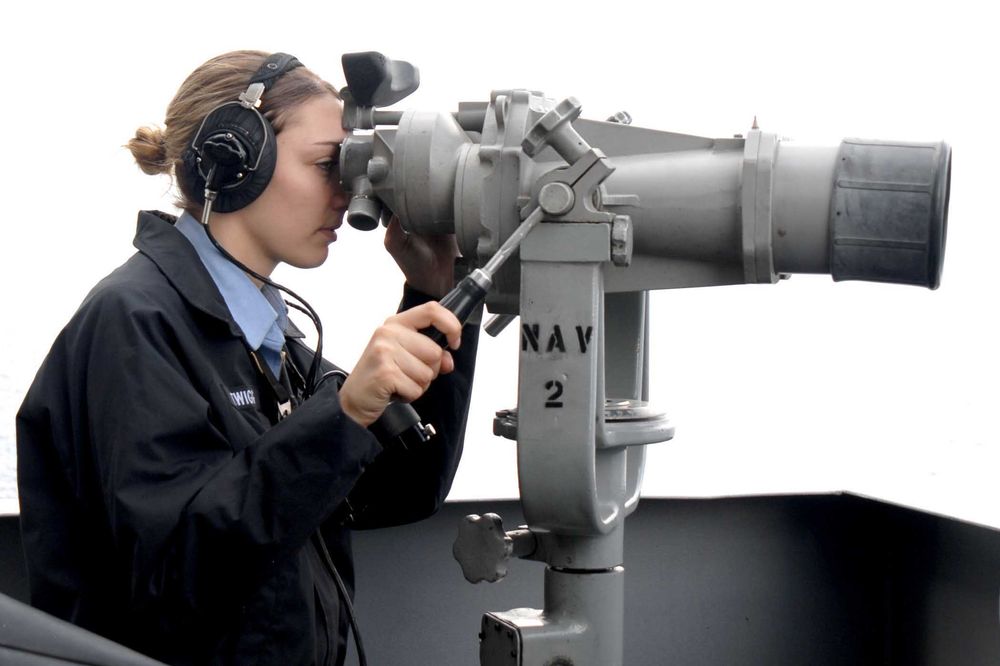
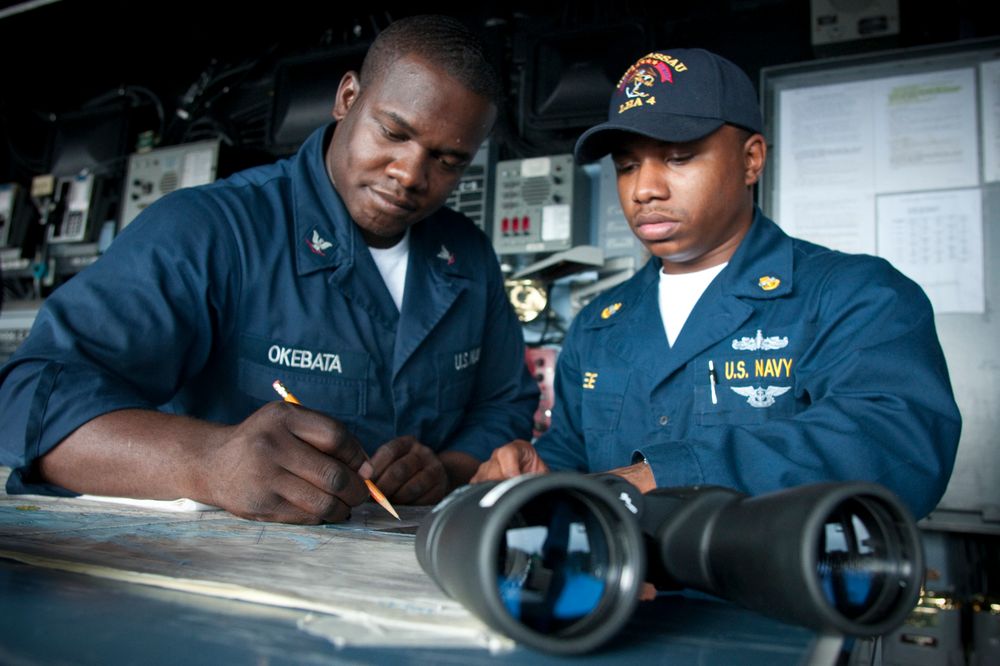
Navigation and COLREG
- In restricted visibility a target appears on radar forward of the beam; what do you do?
- In a crossing situation, who gives way, and when may the stand-on vessel act?
- What do you check when taking over a watch?
Cargo and stability
- Which calculations and checks do you make before loading?
- Risks specific to your vessel type (static electricity on tankers, cargo shift on bulk carriers, lashing on container ships).
Safety and inspections
- The enclosed space entry procedure, step by step.
- How do you prepare for a port State control inspection?
- How do you report a non-conformity under the ISM Code?
Masters and chief officers are also asked about crew management, communication with charterers and agents, and leadership in emergencies.
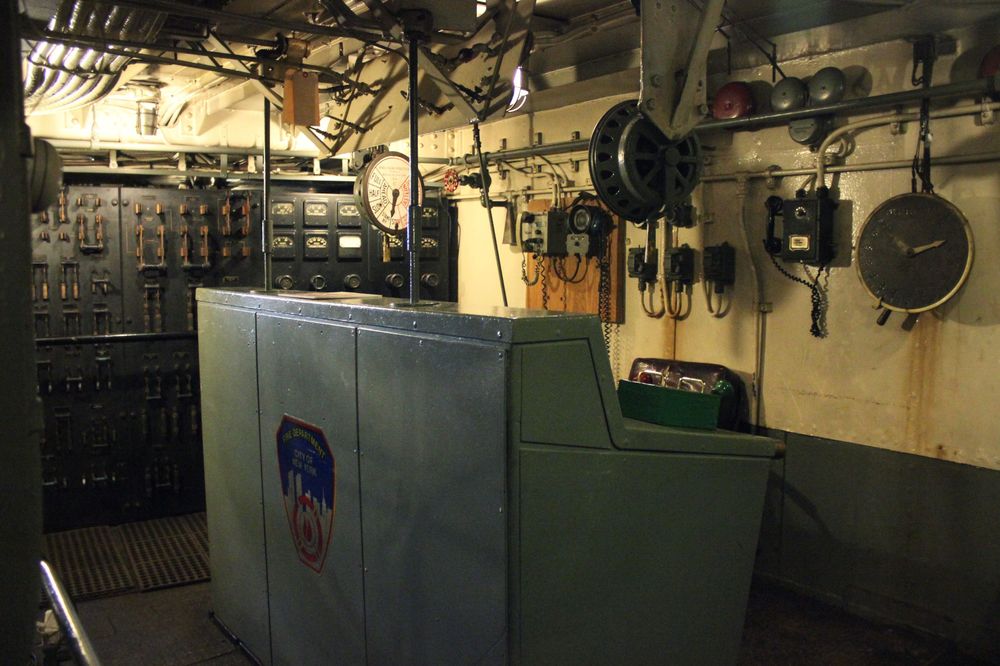 Image: Kaylee La Spisa / Wikimedia Commons, CC BY-SA 4.0
Engineer officers
- The main engine gives a slow-down alarm; what are your first checks?
- Steps for paralleling generators, and recovery after a blackout.
- How do you carry out a fuel changeover (high to low sulphur) and what do you watch for?
- Which operations are entered in the Oil Record Book?
- The planned maintenance system and spare parts control.
- The oily water separator and the 15 ppm alarm.
Chief and second engineers are also asked about budgets, maintenance planning and dry-dock experience.
Ratings
Deck ratings (AB, OS)
- How do you repeat helm orders and report as a lookout?
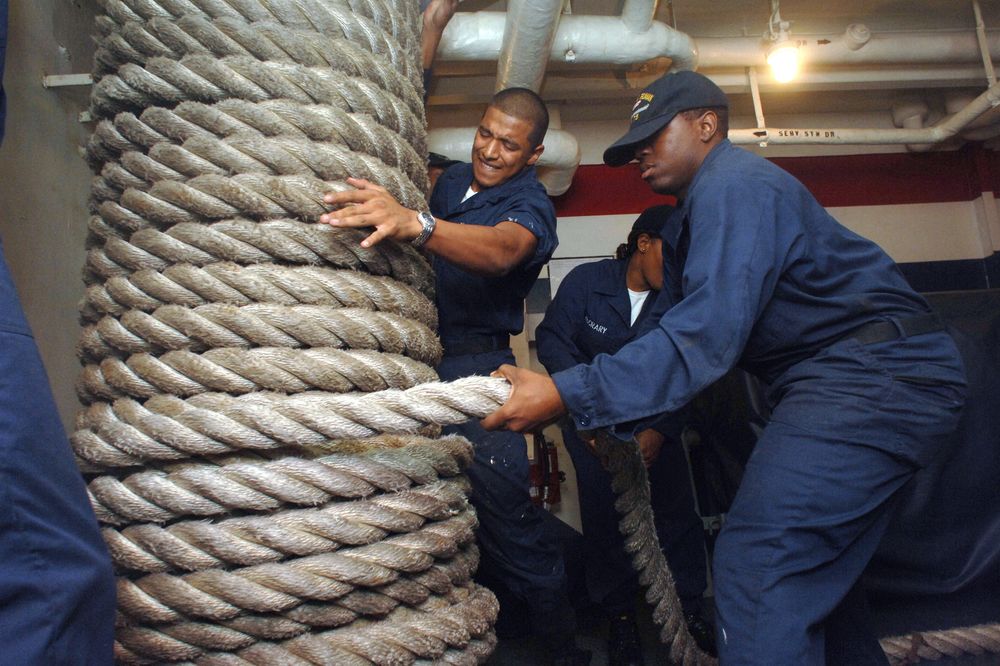
- What is a snap-back zone in mooring operations?
- What precautions apply to work aloft and to chipping and painting?
Engine ratings (oiler, wiper)
- Which readings do you check on your rounds, and what do you report at once?
- When is a hot work permit required?
Cook and steward
- Food hygiene, storage temperatures, menu planning for a multinational crew.
If you don't know the answer
"I don't know, but I would check it in…" is far better than guessing. Say which manual, procedure or officer you would consult.
Practical tip: pick five topics specific to the vessel type in the maritime job you applied for and revise them the day before; most questions come from there.
Full series: Seafarer Interview Guide