Every maritime student asks the same question: how do I find a ship for my sea training? Looking for work without experience is hard, but the right approach improves your chances a lot.
Where to look
- Your academy's placement office and partner companies: always the first stop.
- Company cadet programmes: large owners take a set number of cadets each year; follow the application periods on their websites.
- Maritime jobs: on Faroys you can filter job posts by rank to see "Deck Cadet" and "Engine Cadet" positions.
- Graduates and lecturers: officers who graduated from your academy are the easiest door into their companies.
- Forum: read cadet experiences on the Faroys forum and ask questions.
How to apply
- Complete your CV. You have no sea service yet, so highlight your academy, department, language level, STCW courses and any summer placements.
- A short introduction: who you are, and when and for how long you can sail.
- Be clear about your availability date. Companies look at it first when planning.
- Add proof of your English level if you have it.
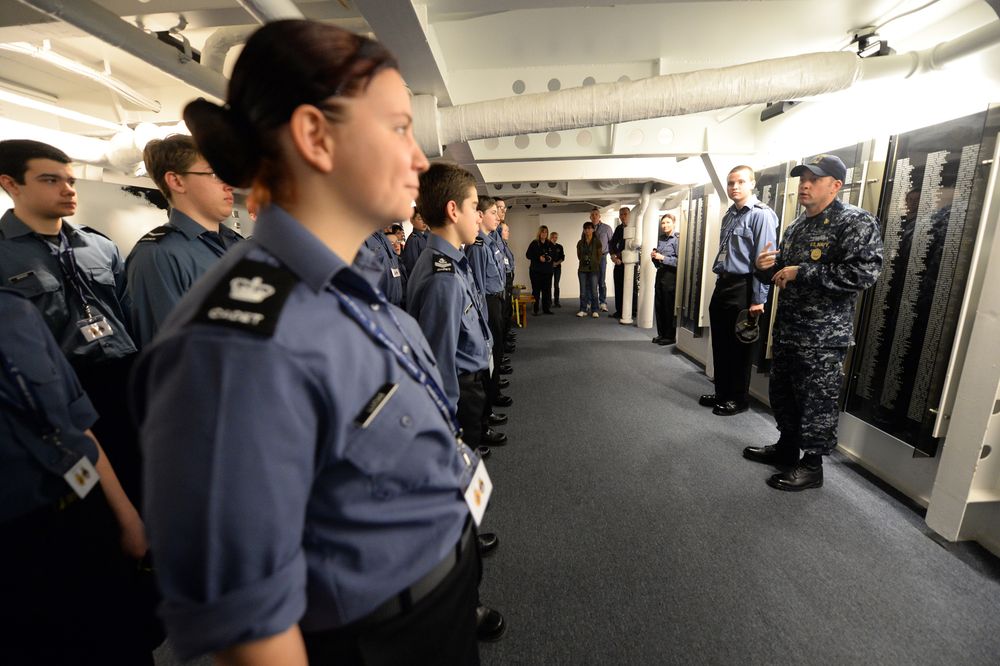
 Image: William Collins III / Wikimedia Commons, Public domain
Which company?
The habits you learn on your first ship stay with you for your whole career. If you have a choice:
- Prefer companies that train cadets and take the training record book seriously.
- Think about vessel type: training on the type you want to work on later is a big advantage.
- Get the contract length and allowance in writing.
Be careful
- Don't trust people or agencies who ask you to pay for a cadet berth. Charging seafarers for placement is against international rules.
- Never join a ship without a written agreement, even as a cadet.
Be patient
A few replies from dozens of applications is normal. Follow seafarer jobs regularly, keep your CV current and use every rejection to improve the next application.
Practical tip: keep a list of your applications: company, date, contact, reply. A polite reminder after two weeks often works.
Full series: Cadet Guide