There is no single "green fuel". Owners are trying different paths, and a large share of newbuildings are now dual-fuel. Each fuel brings a different risk profile and different training needs.
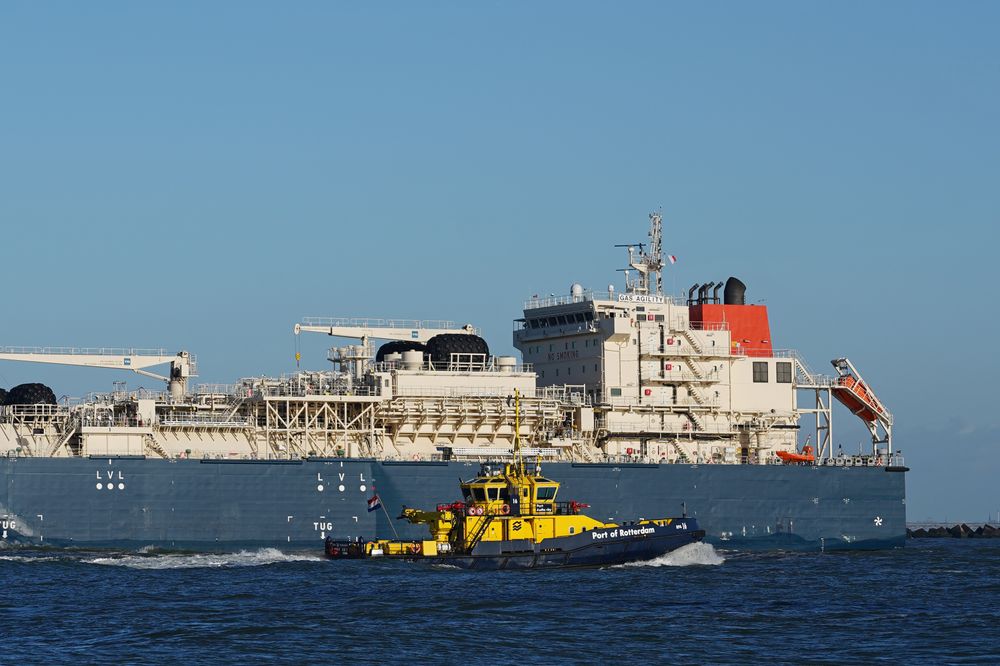
LNG (liquefied natural gas)
- Pros: very low sulphur and particulate emissions; the alternative fuel with the most developed infrastructure.
- Cons: fossil-based; unburnt methane slip is a potent greenhouse gas.
- Hazards on board: cryogenic temperature of -162 °C (cold burns, brittle steel), flammable gas accumulation, leaks during bunkering.
Methanol
- Pros: liquid at ambient temperature and relatively easy to store; "green methanol" (bio or e-methanol) can cut emissions significantly. Major container lines have invested in methanol dual-fuel ships.
- Cons: low energy density, so larger tanks are needed for the same range; green methanol supply is still limited.
- Hazards on board: toxic (through skin and inhalation), burns with a flame almost invisible in daylight, low flashpoint.
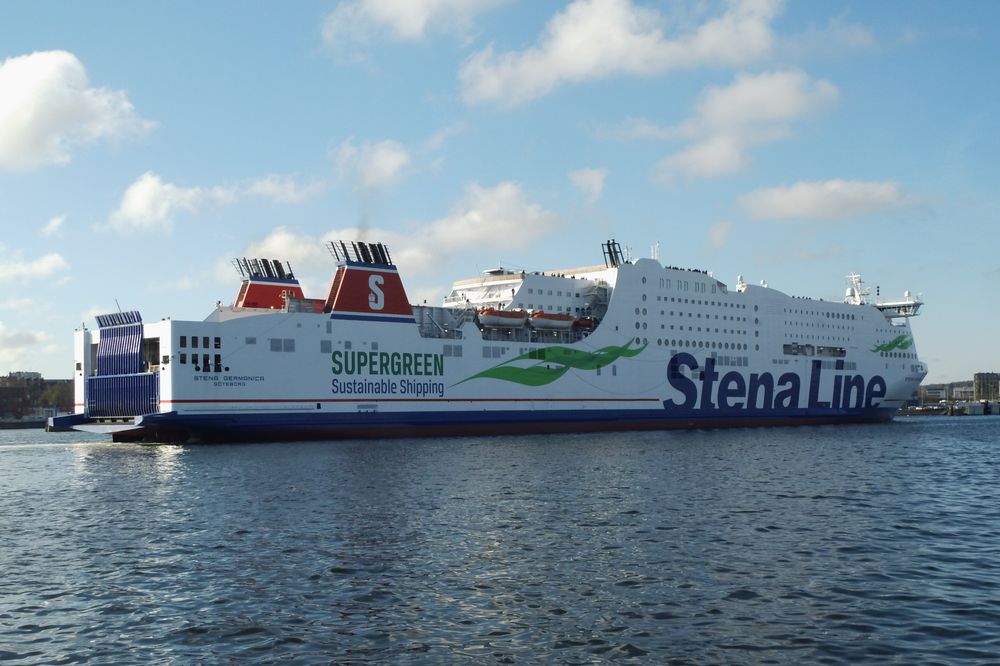 Image: HenSti / Wikimedia Commons, CC BY-SA 4.0
Ammonia
- Pros: contains no carbon; produces no CO₂ when burned.
- Cons: engine technology is only now becoming commercial; combustion can produce nitrogen oxides and N₂O.
- Hazards on board: highly toxic and corrosive; even a small leak can be life-threatening. It requires dedicated gas detection, ventilation, PPE and emergency procedures.
Other options
- Biofuels: can be blended in existing engines — a "drop-in" solution, but sustainable feedstock is limited.
- Hydrogen: very low storage temperature and low volumetric energy limit it for now to short-sea and small vessels.
- Wind-assisted propulsion (rotor sails, rigid wing sails), onboard carbon capture and shore power are also used to reduce fuel consumption.
The common lesson for seafarers
Almost all new fuels are flammable, toxic or cryogenic. Therefore:
- Gas detectors, ventilation and enclosed-space procedures become even more critical.
- Bunkering needs much stricter checklists than conventional fuel oil bunkering.
- Firefighting methods differ by fuel (for example, alcohol-resistant foam for methanol fires).
Practical tip: If you are assigned to a dual-fuel ship, read the safety data sheet (SDS) for that fuel before joining, and learn the gas detection system and escape routes on your first day.
Regulations are changing fast; this article is general information. For exact, current requirements rely on the IMO, your flag State and your company's SMS instructions.
Full series: The Green Transition in Shipping