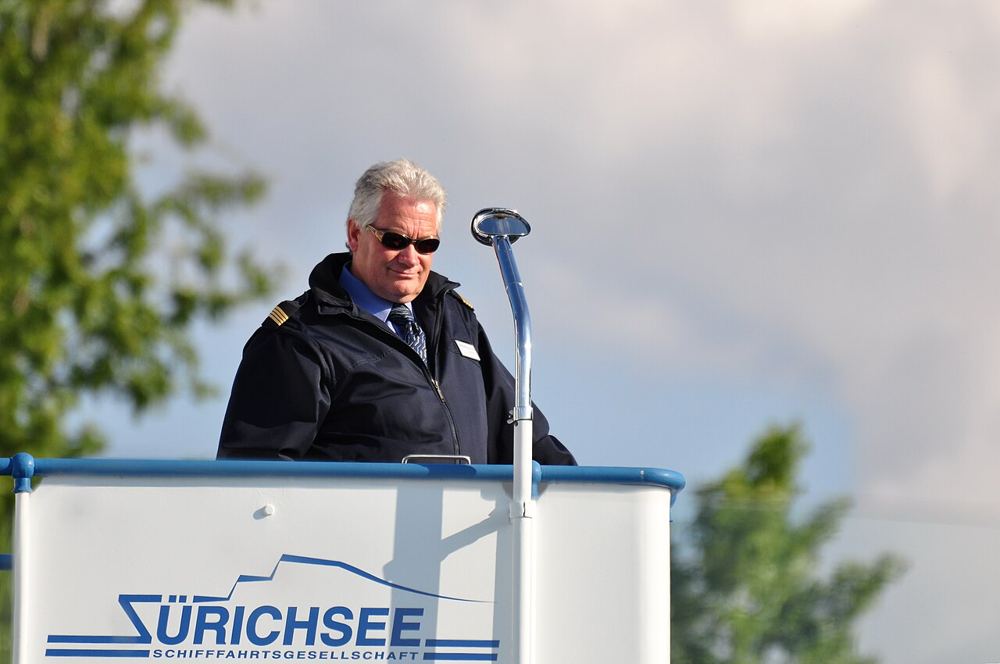
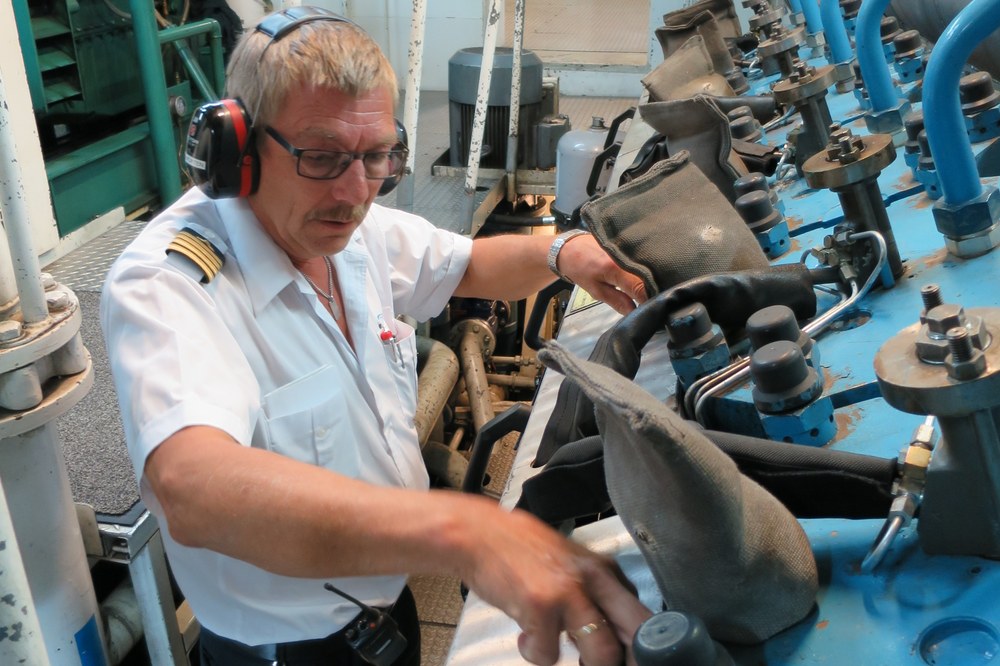
The Master carries the highest responsibility on board, but that doesn't mean "standing on the bridge all day" — much of the job is administrative, legal and people management.
Daily duties
- Morning briefing: hearing the handover from the night watch (navigation, weather, events).
- Following up on cargo, fuel, provisions and crew documentation.
- Communicating with the agent, the company and port authorities before/after port calls.
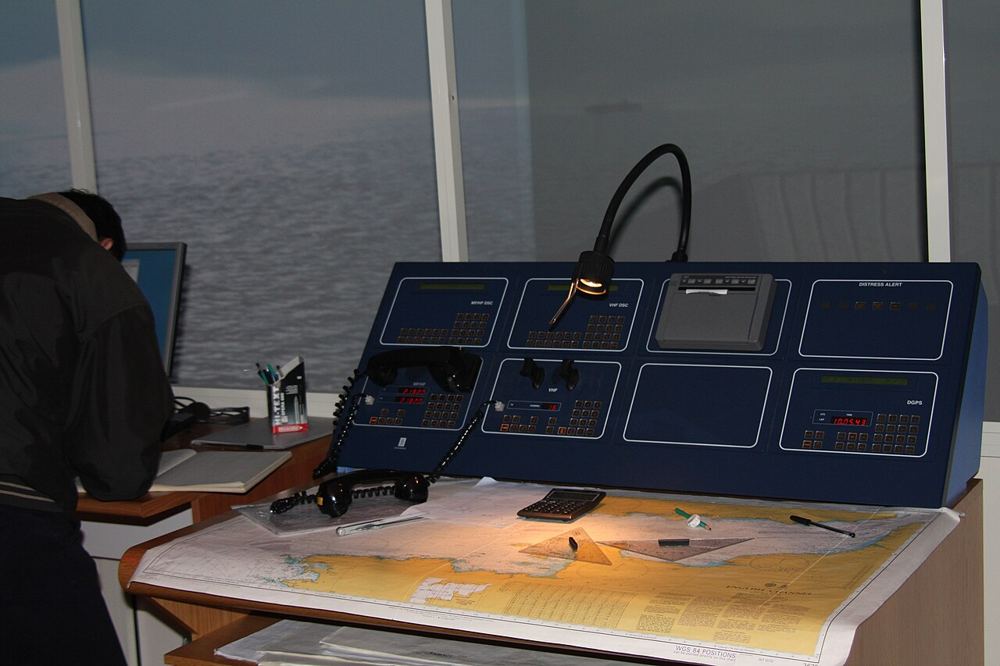
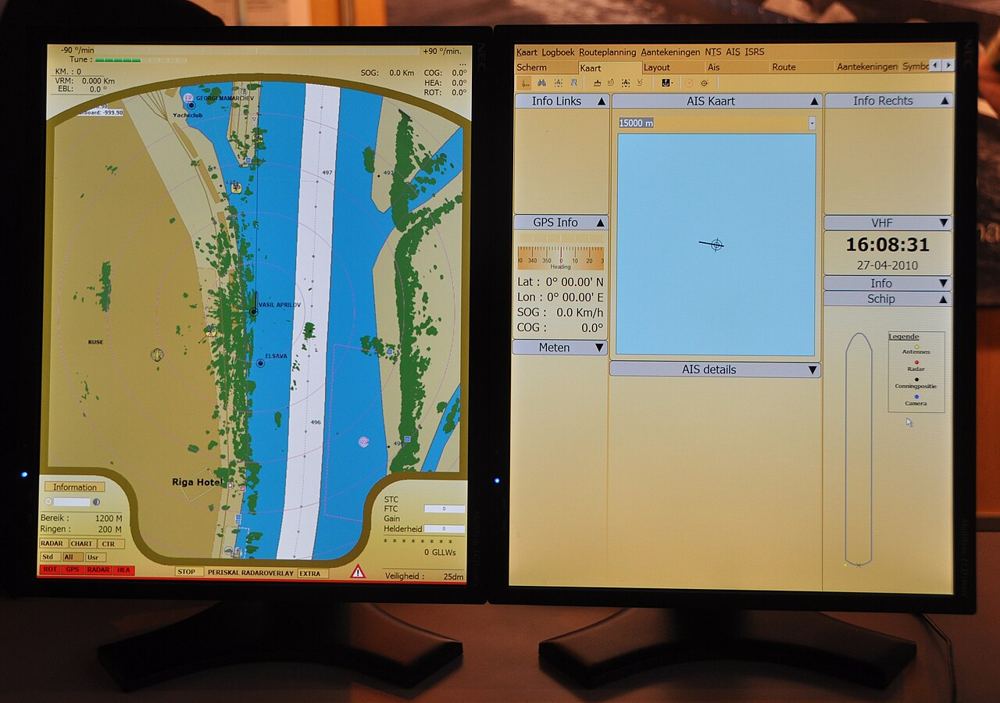
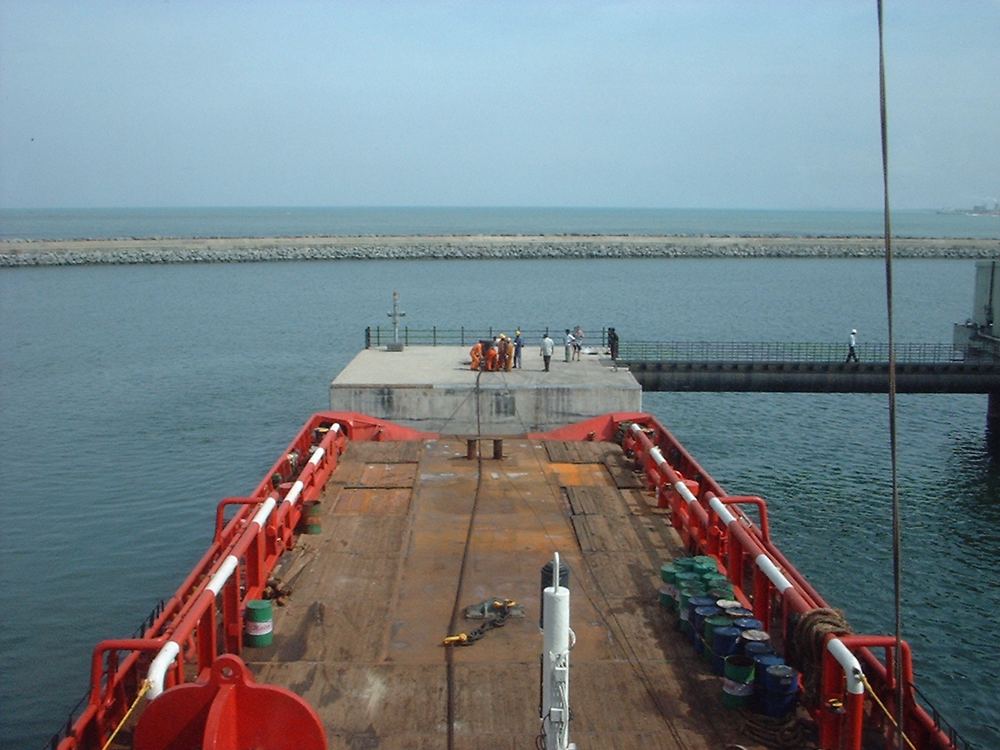
- Being personally present on the bridge for difficult manoeuvres (port entry, narrow channels, bad weather).
- Overseeing crew discipline, drills and ISM/ISPS compliance.
A typical day
There's no fixed "shift" — the Master can be called at any hour. On a quiet sea day, much of it is office work (reports, planning); port days are full of cargo operations and official visits.
How to reach this rank
Years of sea service, staged competency exams (2nd Officer → Chief Officer → Master) and usually an STCW Master class certificate of competency. Leadership and crisis-management experience matter as much as technical knowledge.
To learn more about this rank's authority and responsibilities on board, see "Shipboard Hierarchy 2: The Master, Authority and Responsibility".