The green transition is not ending the seafaring profession; on the contrary, it is increasing demand for seafarers with new skills. International studies estimate that hundreds of thousands of seafarers will need additional training as alternative-fuel ships spread.
The IGF Code and STCW training
Ships using gases or other low-flashpoint fuels are subject to the IGF Code. For people working on them, STCW Regulation V/3 sets two levels of training:
- Basic training: for all personnel with safety duties related to the fuel. Fuel properties, hazards, emergency and firefighting response.
- Advanced training: for masters, engineer officers and personnel directly responsible for the fuel system. Bunkering, system operation, risk management.
The IGF Code started with LNG in mind; IMO has issued interim guidelines for methanol, ammonia and hydrogen, and training requirements are widening accordingly. See our certificate guide series for the IGF and Polar Waters article.
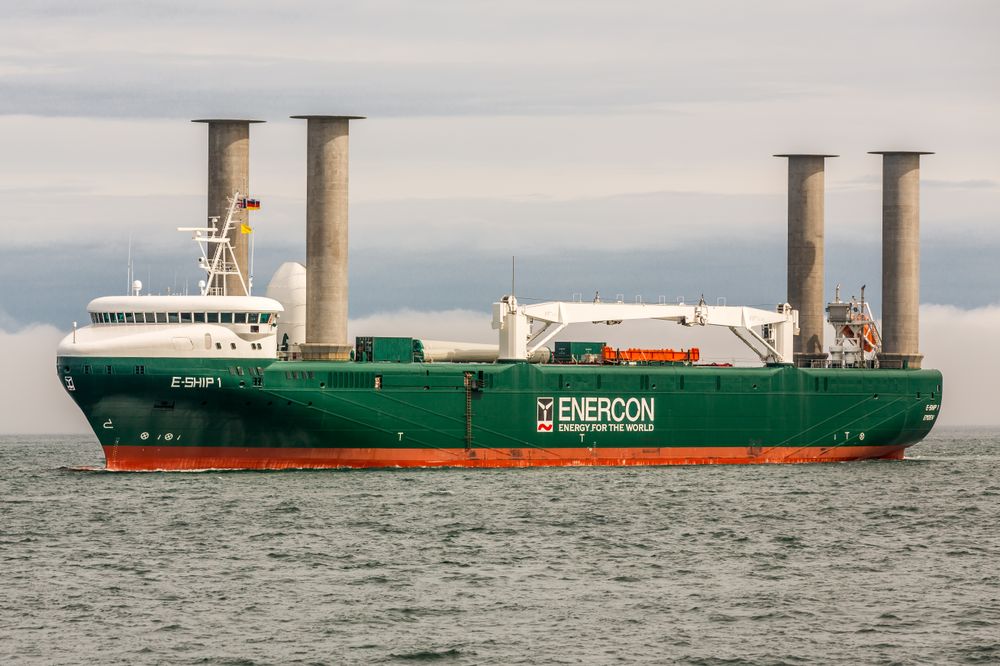 Image: Alan Jamieson from Aberdeen, Scotland / Wikimedia Commons, CC BY 2.0
New skills in demand
- Energy efficiency management: SEEMP, CII monitoring, speed and trim optimization.
- Data and reporting: MRV/DCS reports, electronic logbooks, consumption analysis.
- Gas safety: gas detectors, cryogenic hazards, toxic gas response.
- New systems: dual-fuel engines, fuel preparation units, shore power connection.
How to prepare
- Take IGF Basic training early in your career; for many companies it is becoming a standard expectation.
- If you are an engineer officer or future master, aim for IGF Advanced.
- If possible, gain sea service on an LNG or methanol dual-fuel ship; employers ask for experience as well as certificates.
- Build your skills in energy efficiency and data reporting — they apply on every ship type.
- Keep the certificates section of your Faroys profile up to date; documents such as IGF are among the fields employers filter by.
Final word
As in the shifts from sail to steam and from steam to diesel, those who adapt first will benefit most. New fuels mean more attention, more training and more responsibility — but also a stronger career.
Regulations are changing fast; this article is general information. For exact, current requirements rely on the IMO, your flag State and your company's SMS instructions.
Full series: The Green Transition in Shipping