Myth 1: "Large ships aren't affected by storms."
Fact: Size reduces risk but doesn't eliminate it. Severe storms can cause structural damage, cargo loss and route delays even on large ships; Masters take weather forecasts seriously when route planning.
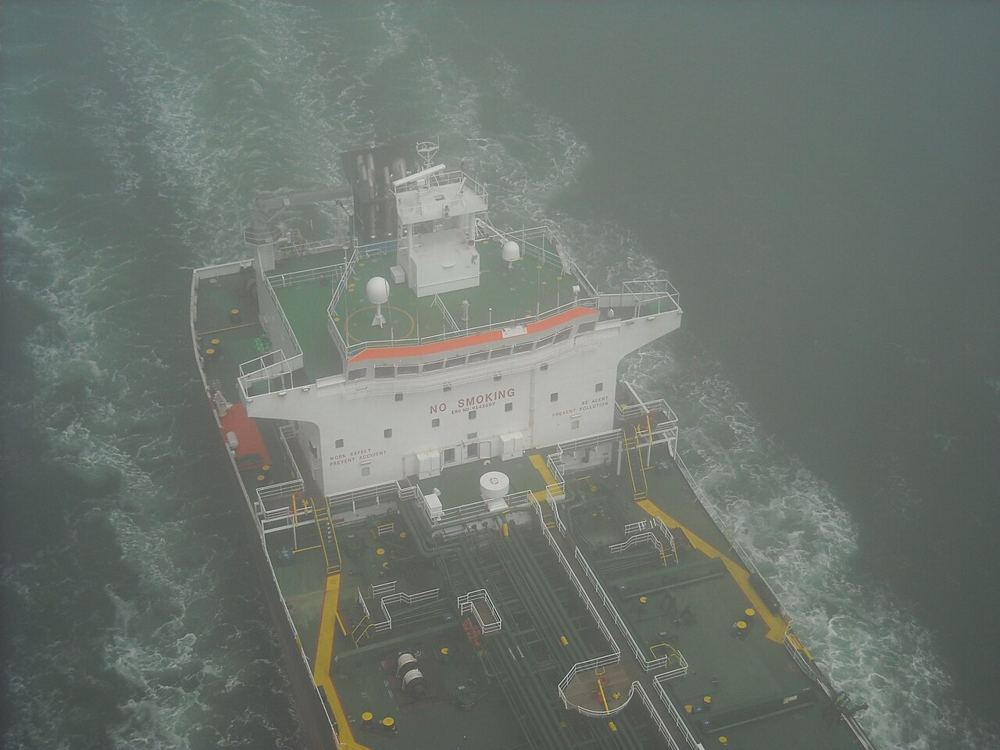
Myth 2: "Fog is the most dangerous weather condition at sea."
Fact: Fog reduces visibility, but storms, icing and sudden wind shifts generally carry greater risk. Each condition has its own hazard and protocol (see COLREG Rule 19).
Myth 3: "Weather forecasting is precise now, there are no surprises."
Fact: Forecasting has improved greatly, but sudden changes in open water remain possible. That's why ships continuously monitor updated weather information.
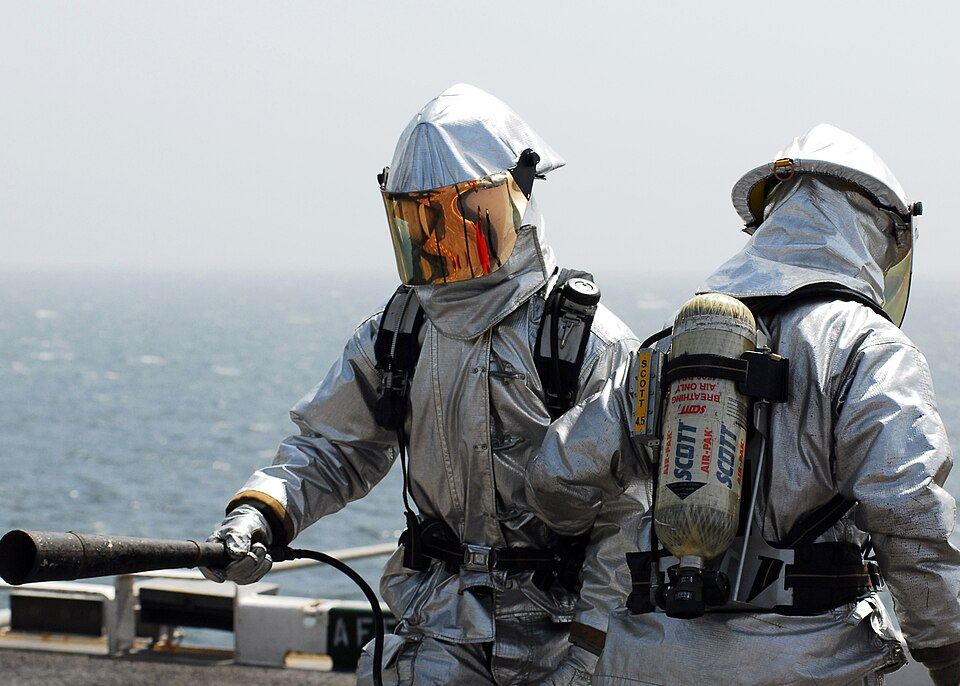
Myth 4: "The safest place in a storm is your cabin, you never go outside."
Fact: True in general — but when necessary, trained crew with safety equipment can still work on deck. That's why regular drills and correct equipment use are vital.
Myth 5: "Safety equipment is only checked in an emergency."
Fact: Life jackets, lifeboats and firefighting systems are checked and logged regularly (weekly/monthly) — as required by SOLAS.
Conclusion
Weather and safety are never left to chance at sea — they're managed through systematic planning and training.
This article is general information; decisions on weather conditions always depend on the ship's own procedures and the Master's judgement.