
On 1 January 2023, two new rules under MARPOL Annex VI came into force: EEXI and CII. All ships of 5,000 GT and above are now measured on carbon efficiency, both by design and in operation.
EEXI: design efficiency
The Energy Efficiency Existing Ship Index (EEXI) is a one-off calculation of how technically efficient a ship is. Ships that fall short usually:
- apply engine power limitation (EPL/ShaPoLi), or
- improve the propeller, hull or add energy-saving devices.
The most visible effect on board: the main engine's available power may be capped. Ship procedures define how and when that limit may be overridden in heavy weather.
CII: the annual carbon rating
The Carbon Intensity Indicator (CII) measures how much CO₂ a ship emits per cargo carried and distance sailed over a year. The ship is rated A to E, and the required level tightens every year.
- A ship rated D for three consecutive years or E in one year must prepare a corrective action plan and add it to its SEEMP.
- Charterers and ports increasingly look at CII ratings; poorly rated ships are also commercially disadvantaged.
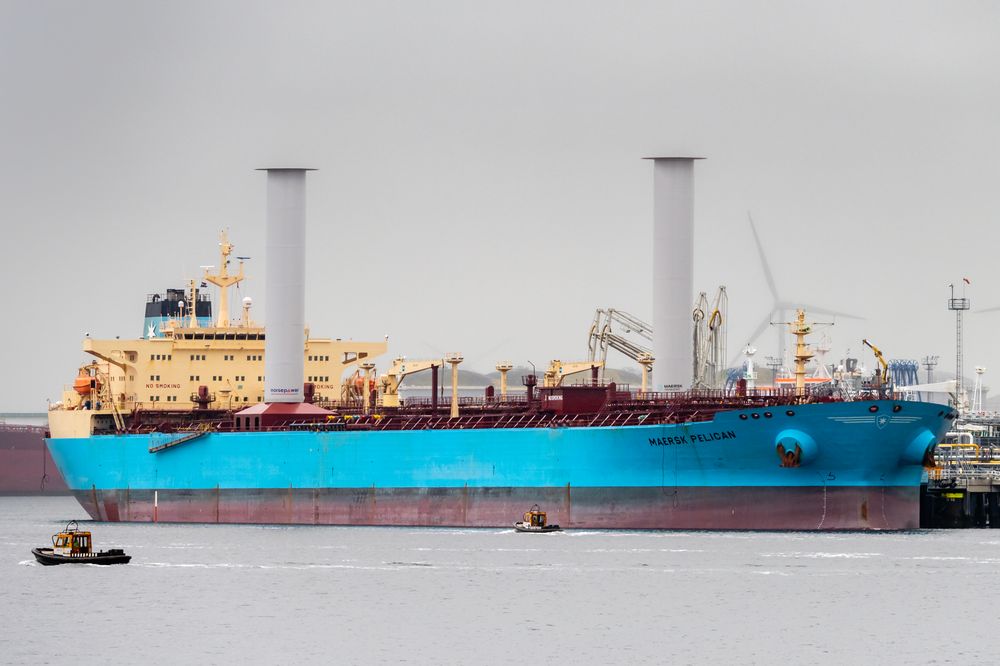 Image: Wilsca / Wikimedia Commons, CC BY-SA 4.0
SEEMP: the plan on board
The Ship Energy Efficiency Management Plan (SEEMP) sets out how the ship will meet its CII target. Fuel consumption data are reported through the IMO Data Collection System (DCS).
What changed for seafarers in practice
- Speed and routing: slow steaming, weather routing and just-in-time arrival planning are now common.
- Data discipline: the accuracy of daily consumption, distance and cargo reports directly affects the ship's rating.
- Maintenance: hull and propeller cleaning, correct trim and engine performance monitoring mean fuel savings.
- Master's and chief engineer's responsibility: implementing the SEEMP, keeping records and presenting them at inspections.
Don't forget
- Sulphur cap: since 2020 the global limit is 0.50% sulphur in fuel, and 0.10% in Emission Control Areas (ECAs). The Mediterranean became a sulphur ECA on 1 May 2025. Fuel changeover procedures and records are frequently checked in port State inspections.
Practical tip: Every figure in the noon report now turns into a carbon rating. Enter consumption and distance from measurements, not estimates; inconsistencies cause problems in inspections and within the company.
Regulations are changing fast; this article is general information. For exact, current requirements rely on the IMO, your flag State and your company's SMS instructions.
Full series: The Green Transition in Shipping