

Most of world trade moves by sea, and ships still run mainly on fossil fuel. International shipping accounts for roughly 3% of global greenhouse gas emissions. Over the next 25 years the industry faces a major transformation — from engines and fuels to training and ship management.
IMO's 2023 strategy
In July 2023 the International Maritime Organization (IMO) adopted its revised greenhouse gas strategy. Key targets (against 2008 levels):
- Net-zero GHG emissions by or around 2050.
- Total annual emissions cut by at least 20%, striving for 30%, by 2030.
- Cut by at least 70%, striving for 80%, by 2040.
- Carbon intensity per transport work cut by at least 40% by 2030.
- At least 5% (striving for 10%) of energy from zero or near-zero emission fuels and technologies by 2030.
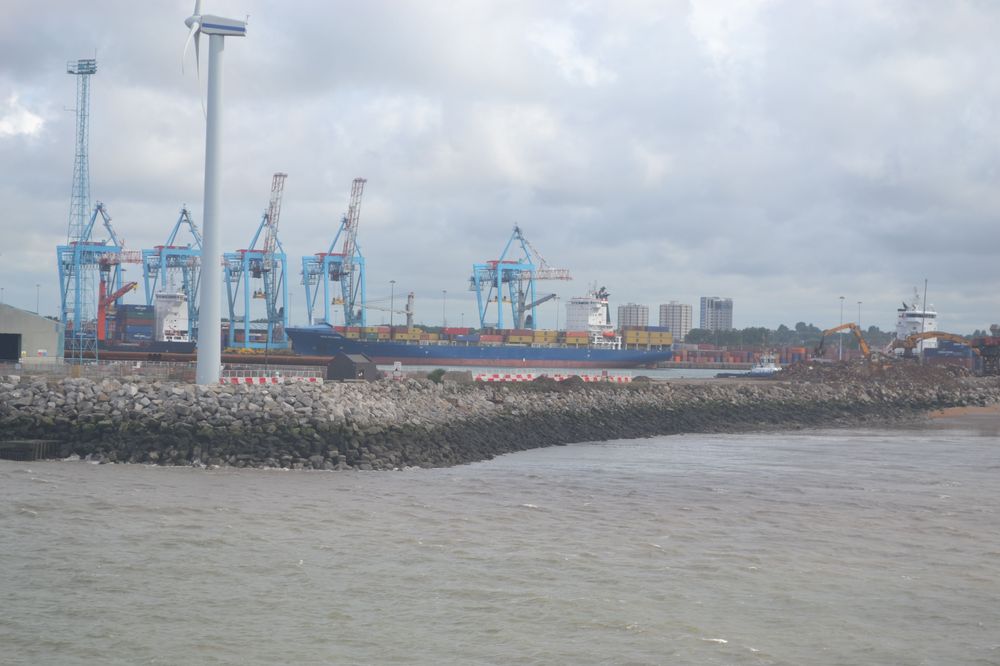 Image: Stephen Darlington / Wikimedia Commons, CC BY-SA 2.0
How the targets are applied
Targets alone change nothing; the impact comes from rules:
- Technical and operational rules: EEXI and CII, in force since 2023 (part 2).
- Regional rules: the EU Emissions Trading System and FuelEU Maritime (part 3).
- A global fuel standard and carbon pricing: discussed at IMO as the "Net-Zero Framework", which would limit the GHG intensity of fuel and put a price on emissions. The draft was approved in 2025; the final adoption process is ongoing — follow IMO announcements for the current status.
Why this matters to seafarers
- Ships are using new fuels (LNG, methanol, ammonia) with new hazards (part 4).
- Working on new-fuel ships requires additional STCW training (part 5).
- Fuel consumption and emissions data are now part of daily work: speed, routing, hull cleaning, reporting.
- Officers and engineers with these skills will be among the most sought-after profiles in the coming years.
In short: the green transition is not a distant future. The 2030 checkpoints and the rules already in force are changing your job on board today.
Regulations are changing fast; this article is general information. For exact, current requirements rely on the IMO, your flag State and your company's SMS instructions.
Full series: The Green Transition in Shipping