The MLC wage rule is one sentence, but a strong one: all seafarers shall be paid for their work regularly and in full in accordance with their employment agreements (Regulation 2.2).
Mandatory rules (Standard A2.2)
- Payments are made at no greater than monthly intervals.
- You receive a monthly account of payments due and amounts paid, including extra payments and the exchange rate used if you were paid in a different currency.
- The shipowner must let you allot all or part of your earnings to your family or other nominated persons at regular intervals, remitted on time and directly to them.
- Any charge for this service must be reasonable, and the exchange rate must be the market or official rate and not unfavourable to you.
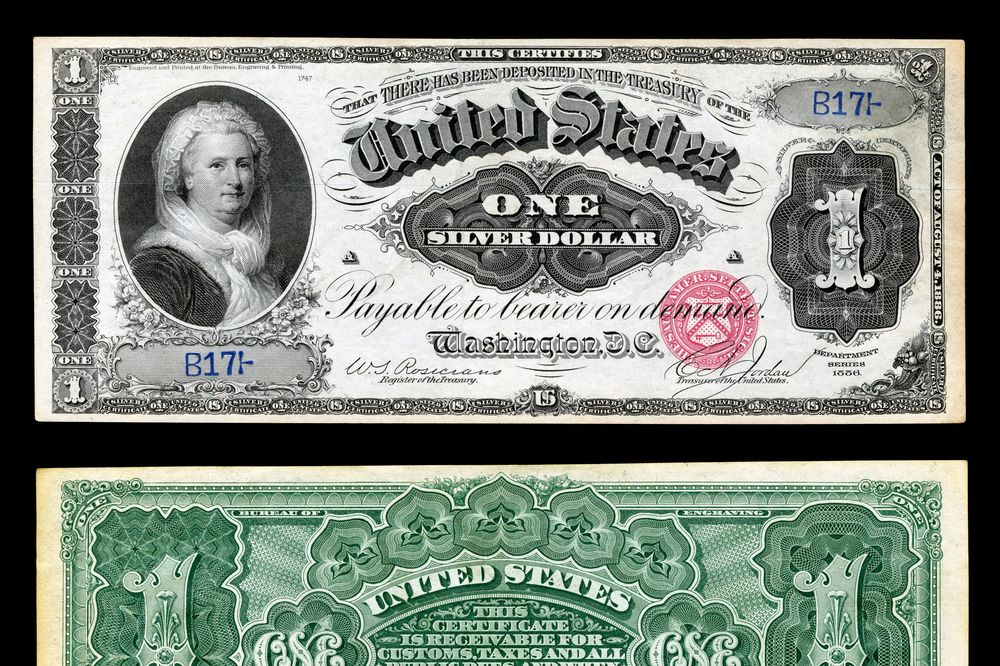 Image: National Museum of American History / Wikimedia Commons, Public domain
Guidelines (Part B — not mandatory, but widely applied)
- For wage calculation, normal hours are 8 per day and no more than 48 per week.
- Overtime should be paid at least 1.25 times the basic hourly rate.
- Overtime records are kept by the master (or a person assigned) and endorsed by you at least monthly.
- Equal pay for work of equal value on the same ship, without discrimination by race, sex, religion or nationality.
- Wages paid directly into your bank account unless you request otherwise.
- No deductions for obtaining or retaining employment.
- Monetary fines not authorized by law or collective agreement are prohibited.
- On termination, everything owed is paid without undue delay.
- The ILO Joint Maritime Commission periodically sets a minimum monthly basic wage for an able seafarer.
If wages are not paid
Use the on-board complaint procedure first, then port State control. Prolonged non-payment can trigger the abandonment protection added by the 2014 amendments — see part 9 of this series.
Practical tip: Photograph your monthly wage accounts and keep them. In a dispute they are your strongest evidence.
Source: ILO, Maritime Labour Convention, 2006 — Regulation 2.2, Standard A2.2, Guideline B2.2. This article is based on the MLC 2006 text published by the ILO and is for general information. Your flag State's law or your collective agreement may give you more favourable terms; in a specific dispute, talk to your union or a lawyer.
Full series: MLC 2006 Guide: Seafarers' Rights