
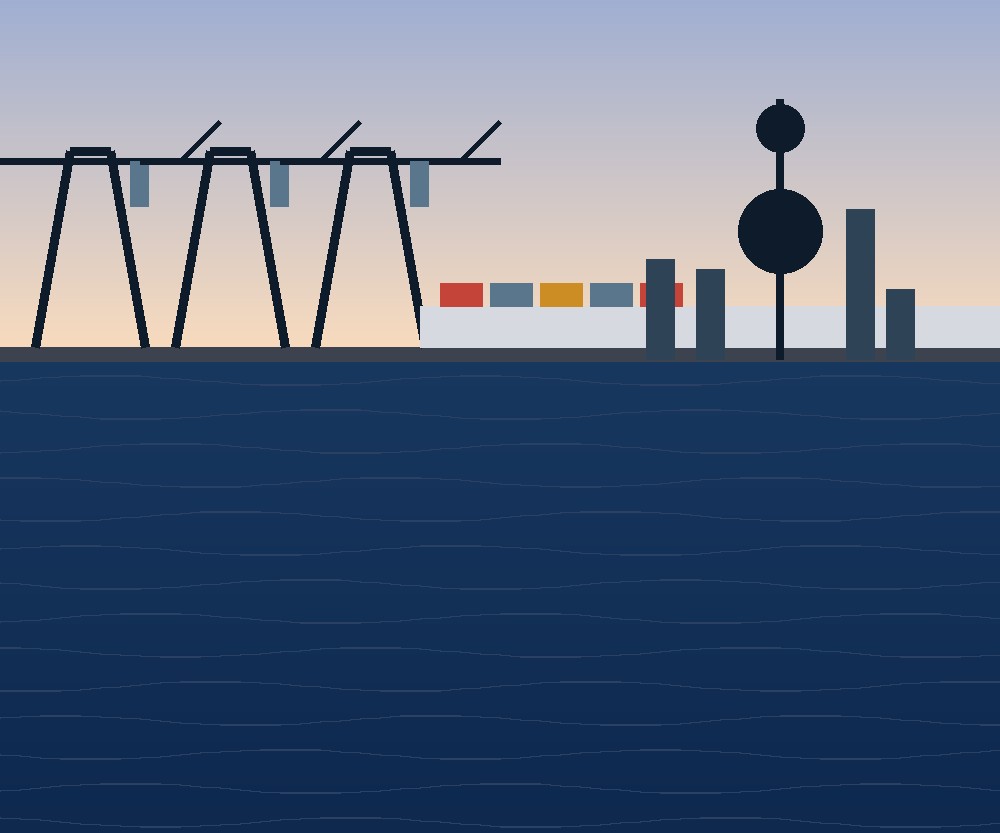
Shanghai has long held the title of the world's busiest port by annual container throughput. The main terminal area isn't even in the city itself but out at the Yangshan Deep-Water Port, built out toward open water and connected to the mainland by the 32.5 km Donghai Bridge — an engineering marvel in its own right.
Port culture
Terminals like Yangshan run at extremely high volume and automation — ships typically load and discharge on a tight schedule. Port staff and procedures are professional and fast, but the language barrier (English isn't always widely spoken outside Mandarin) can occasionally make communication tricky — going through the ship's agent is the safest way to communicate.
Shore leave in practice
The Yangshan terminal is physically far from the mainland and central Shanghai; going ashore on a short port call usually isn't practical. Terminals closer to the city, like Waigaoqiao, can be different. Preparing crew visa/shore leave documentation for entering China needs to happen well in advance with the company and agent — last-minute arrangements usually don't work.
What to keep in mind
- The documents needed for shore leave in China (crew list, visa status) vary by nationality — clarify this with your agent before the voyage.
- Internet access in China is restricted on some international platforms — it's a good habit to give your family ashore a heads-up about this beforehand.
- Heavy sea traffic can occasionally extend anchoring/waiting times.
This article is general information; entry/shore leave rules can change over time — always confirm the latest with your agent.