Thanks to its geography — right where the Strait of Malacca opens into the South China Sea — Singapore sits at one of the most critical crossroads in world trade. Nearly every Asia-Europe and Asia-America route either passes through or transships here, making Singapore one of the busiest transshipment ports on earth.
Port culture
Singapore's port is practically a benchmark for efficiency — waiting times are kept short, and procedures are digitized and highly organized. That culture of order carries over into the port experience: everything runs on appointments, everything is documented. Unexpected delays are rare, and when they do happen, they're communicated clearly.
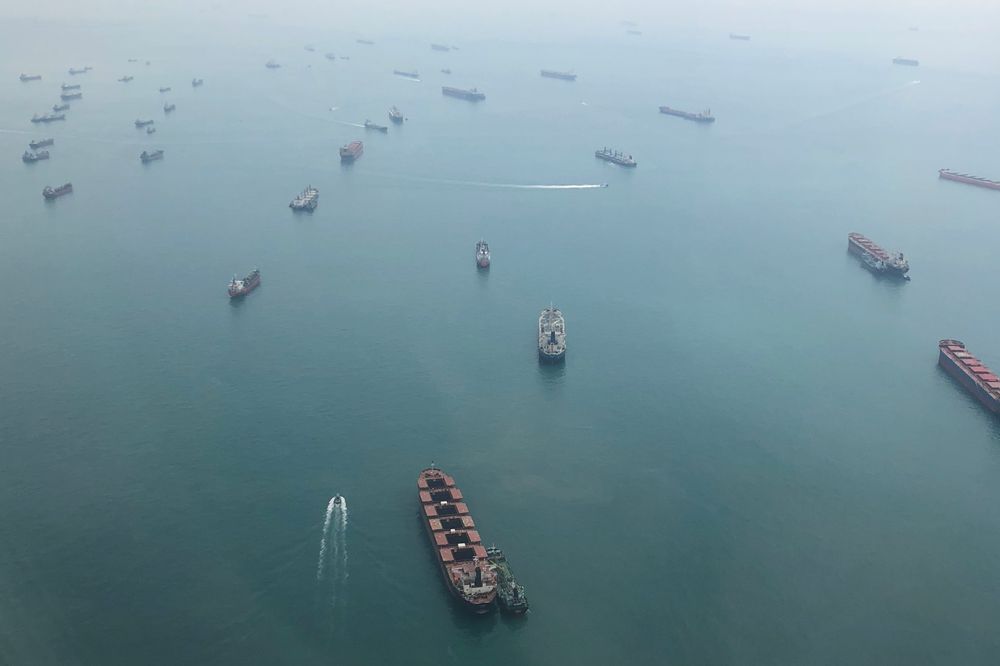 Image: Bjoertvedt / Wikimedia Commons, CC BY-SA 4.0
Shore leave in practice
Singapore is one of the easiest cities in the region for shore leave — safe, English widely spoken, and the MRT public transit system is very efficient. But many ships only stop here for a few hours, either for bunkering or a fast transit — in that case, going ashore may not be possible at all. On longer stays, reaching the city center is usually straightforward.
What to keep in mind
- Singapore's discipline culture is strict: even things like littering or chewing gum can carry serious fines — following the rules matters here.
- Temperature and humidity are high year-round; light clothing and plenty of water are recommended.
- Safety protocols during bunkering operations (spill prevention, fire watch) are standard and taken seriously.
This article is general information; shore leave availability depends on the ship's port stay length and operation type.